

Thought Leadership
Strengthening Investments in Showing Up for Fathers Will Help Those Fathers Show Up for Their Kids

Luis Cordero, a father of eight, faced a challenge many noncustodial fathers know well — a child support order. Staying involved in his children’s lives meant navigating questions about child support, finances, and co-parenting that were not easy to sort through alone.
In June, as we celebrate fathers who show up for their children, we should also call attention to what it takes for some to keep showing up.
Barriers, like a missed paycheck, a strained co-parenting relationship, or confusion over a child support order, can make it harder to stay involved, even when fathers want to be there for their kids.
The child support system, which federal data shows serves a fifth of American children, is often one of the few consistent points of contact between public agencies and noncustodial fathers. Used well, that contact can identify dads who need guidance, connect them with resources, and strengthen their ability to be an active part of their children’s lives.
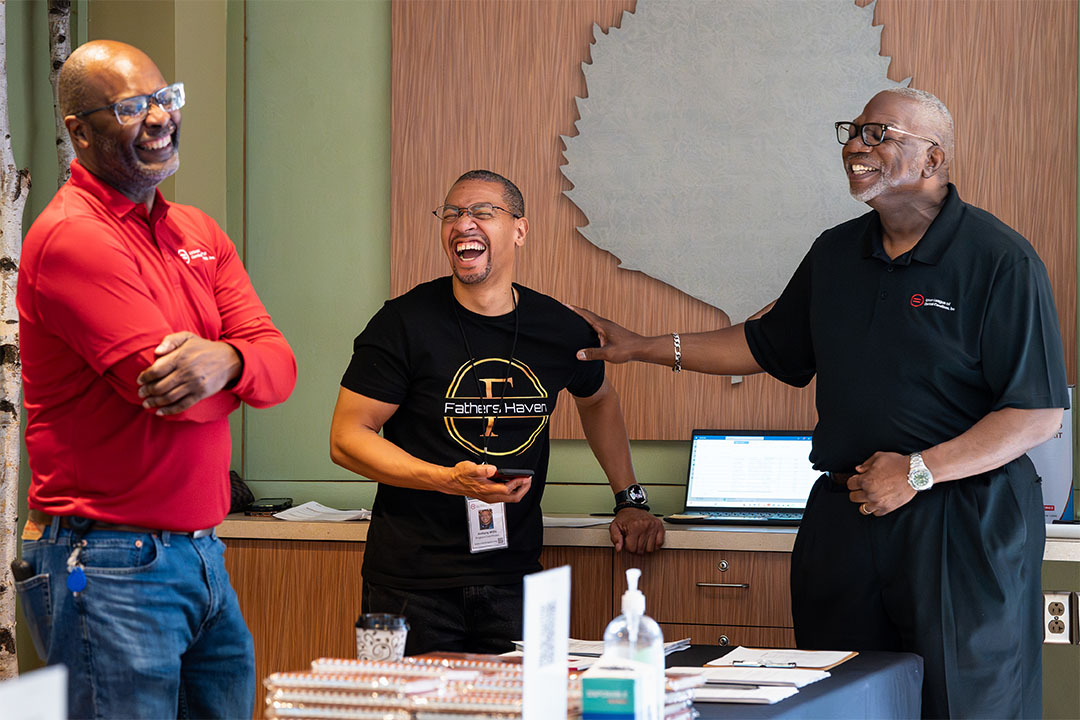 One resource many dads urgently need is assistance finding steady work. According to the most recent federal child support data, 43% of noncustodial parents do not work full time, year-round. Recognizing that employment barrier, the Mecklenburg County Department of Community Resources chose the Urban League of Central Carolinas to bring its workforce development expertise to the Empowering Fathers program. As part of the Child Support Services initiative, it helps noncustodial fathers achieve personal and professional success by offering support and resources to address employment barriers and promote stronger family units.
Though the initial focus was workforce and job stability, it became clear this was only part of what dads needed. Many also required help making sense of child support and finding people they could trust, including supportive peers, as they worked through strained parenting relationships.
That approach is at the center of the Empowering Fathers program. At the Urban League of Central Carolinas, it is called being in the stability business. Through workforce and employment assistance, parenting skill development, mental health services, and more, dads get the help they need to create stability to be present for their children. Dr. Kelly Little, a fatherhood expert focused on child support and father engagement, has helped Urban League of Central Carolinas shape an approach that pairs workforce development with a broader focus on fathers and families.
Over the past year, the AmeriHealth Caritas Foundation has joined the Urban League of Central Carolinas in this work. A Foundation grant funds the services the Urban League of Central Carolinas offers to help fathers navigate child support, strengthen co-parenting relationships and build economic stability through workforce and housing resources so they can remain involved in their children’s lives.
At a recent Restoring Roots fatherhood retreat in Charlotte, fathers connected to the Empowering Fathers program gathered to learn, talk openly, and spend time together. The day was joyful as attendees encouraged one another and took pride in building bonds with each other and their children.
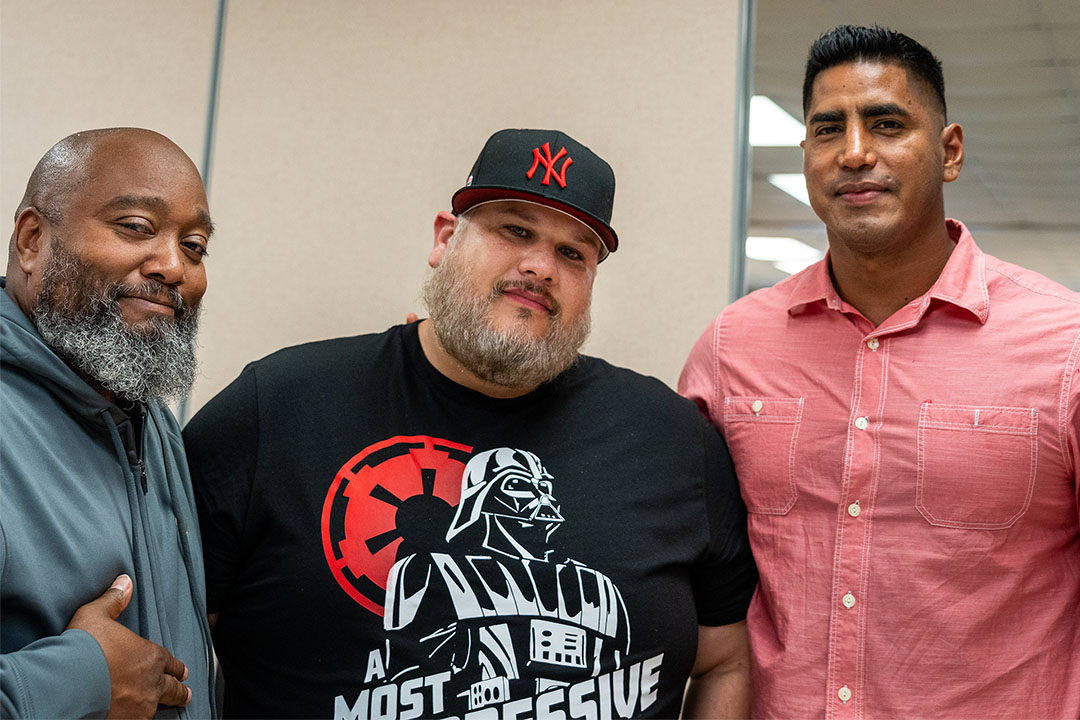 Cordero was among those who gave voice to that connection. For him, it means people in the group check in, call, text, and show up when someone is struggling.
“If everybody’s leaning on each other, no one hits the ground,” he said. “But in the event that someone does hit the ground, there are so many hands out there that are going to help you get back up.”
Programs like this help fathers turn their commitment to their children into the daily capacity to remain involved. And research consistently shows kids do better when fathers are more involved. They have improved emotional well-being, stronger academic outcomes, and reduced risk of poverty and behavioral challenges.
The work starts with recognizing the role noncustodial fathers can play in their children’s lives. It grows when programs are built around the barriers those fathers actually face. It endures when communities understand that children build resilience through stable relationships, and that those relationships are easier to sustain when dads have places to turn.
That is why Charlotte-area leaders, funders, employers, and community partners should continue investing in programs that work with fathers to build the stability they need to stay present.
This month as we recognize fathers for showing up, let’s also invest in what helps them stay connected and keep showing up.